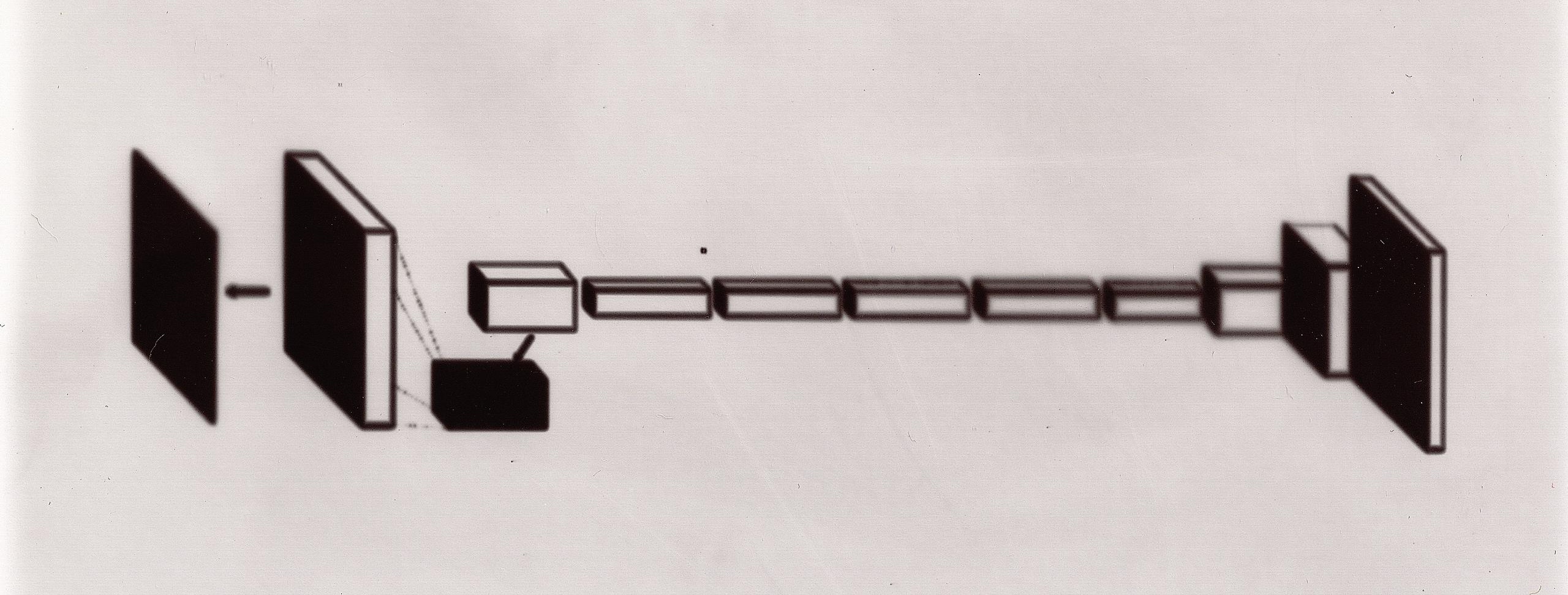
Diagram of a neural network algorithm. Created by Philipp Schmidt - Better Images of AI
SPARK Lab
Student Perspectives on AI Research & Knowledge
The SPARK Lab will work with individual students who wish to take a leadership role, either for their own personal or professional development, and ensure they have sufficient time and academic schedule to center themselves around a collective project or lab administration. Leaders will be asked to collaborate with their team (even if that is a team of one), provide bi-weekly updates to the PI and chart their short and long-term goals they hope that the program will satisfy. All labor in the SPARK Lab will be aligned as much as possible with each member’s strengths, passions and pursuits. The PI benefits only if each member can satisfy their individual interests and intellectual growth. This will not be a factory or assembly line. It will serve exclusively as a generator for each student’s scholarly ambitions around learning and AI. All disciplines are welcome and encouraged to apply.
Student Research
- Evaluate the utility of AI for specific aspects of learning
- Critically analyze the role of AI formats and their impact on student trust of technology
- Design and implement interventions to gauge student trust in AI for learning
Guidelines / Policies
Our lab operates on two principles/policies:
- Students will drive and lead projects. They can certainly support existing projects, but the only lines of inquiry we pursue will be ones that are meaningful to the lab members.
- Any projects must include specific conclusions around improving student learning and must involve student perceptions in some form or another.
Interested students, staff and faculty are encouraged to contact Dr. David Nelson (nelson8@purdue.edu).
Pathways to Scholarly Project Completion
Our Lab offers several different pathways to Scholarly Project Completion. Students can join existing lines of inquiry or propose their own. The lab can offer mentoring, funding for gathering research data on student perspectives, and networking with faculty who may want to pursue projects in their courses.
Current Lines of Inquiry
We are pursuing several lines of inquiry by individual and collective student work. Some of our current questions include:
- How are syllabi communicating AI policy at the course level? Do the policies vary by discipline? How understandable are they to students?
- How might student-designed guidance for AI use influence peer student choices when using AI for academic work?
- How do student perceptions of existing AI chatbots inform instructor practice in problem-based learning courses?
- To what extent do different types of academic motivational regulation predict the frequency and purpose of AI tool use in an undergraduate biology course?
- Can we construct a local LLM that connects with BoilerExams and contextualizes student answers with guidance around next steps for problem-solving?
- How does help-seeking from AI in programming classes relate to help-seeking from teacher assistants, peers and internet searches?
- Does perceived AI-detection risk create self-handicapping behaviors among intrinsically motivated CS students?
Pathways to Scholarly Project Completion
Guides for fellow students, guides for instructors who wish to respond to AI (within specific disciplines, in partnership with faculty and instructors). Students would complete a reflective analysis of the choices made, how the literature supports the claims in the guides, and how the guide will specifically improve student learning. Students will also attend an organized scholarly session at Purdue or elsewhere so they can convey their research to a professional audience.
Both dynamic and static opportunities to connect with their peers and instructors at Purdue about their pedagogical choices in the AI Era. This could be something as simple as an open house session with practical and evidence-based suggestions for learning with and in response to AI. Or it could be a more formal faculty learning community where these students would facilitate reflective opportunities for faculty to ideate on AI in their course design. These would require literature reviews and synthesis of emerging scholarship around AI and learning. Students will also attend an organized scholarly session at Purdue or elsewhere so they can describe their work and the potential benefits to instructors who might wish to replicate their suggested approaches.
Partnering with faculty and instructors as associates in course design/administration to foster improved teaching with and in response to AI. Students may also conduct original lines of inquiry around AI and pedagogy with these faculty affiliates, gathering and evaluating data around the effectiveness of specific interventions or practices in a specific course or set of courses.
Get Involved
There are several different ways to participate with the SPARK Lab. We welcome students and instructors from all disciplines and backgrounds.
If you are interested in in working with the excellent students in the SPARK Lab, please contact Lab Director Dr. David Nelson (nelson8@purdue.edu).
Join an existing project
We have several ongoing projects and lines of inquiry. You can look below to see which ones are seeking additional student partners.
Initiate or lead a new project
You can also propose research projects of your own around student perceptions of AI in learning. This can be done under Dr. Nelson’s supervision or with an instructor from one of your courses who would like to examine the impact of certain approaches on student perception. For instructors who wish to conduct inquiry about student perceptions of AI in their courses, the SPARK Lab has resources to support data collection, buyout of faculty and instructor time and publication of results for select projects.
Share your perspectives
We welcome student participants who want to contribute to the local Purdue discussion around AI and its place in teaching and learning. This can be as simple as attending lab sessions and sharing your thoughts about the partners work. Our Lab currently meets Fridays in HCRS1054 from 1-2pm. We also have virtual meetings on Mondays and Tuesdays. If you would like to attend the virtual sessions, please email Dr Nelson and we can add you to those sessions.
The Lab grew out of the efforts of five students who created projects in HONR399 - Learning at Purdue in the AI Era. These are our inaugural members.
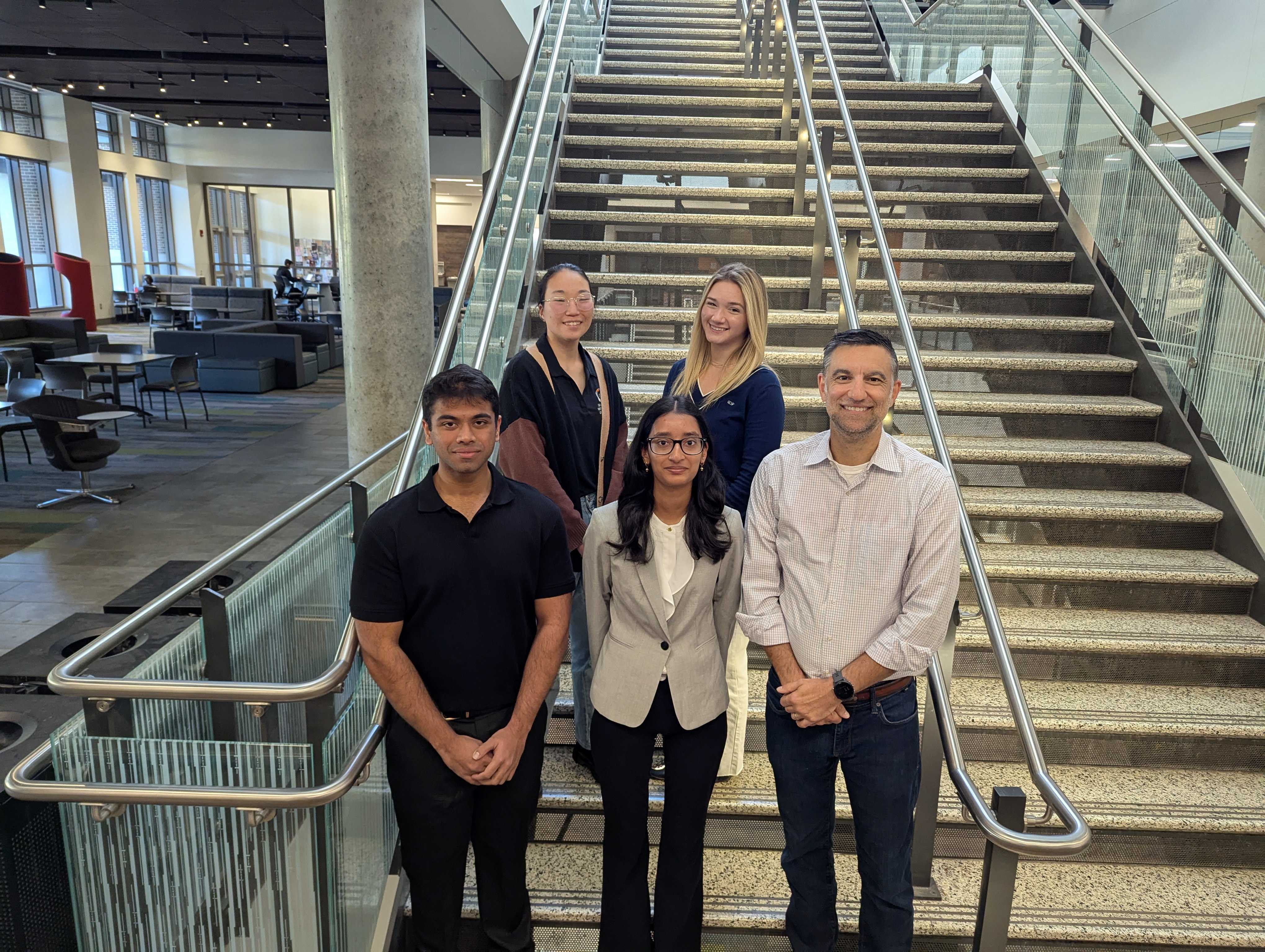
Pictured left to right: Aditya Kattil, Kal Holder, Neha Naladala, Sophia Vina, David Nelson
Not pictured: Audrey Biller
Inaugural Members
Audrey Biller
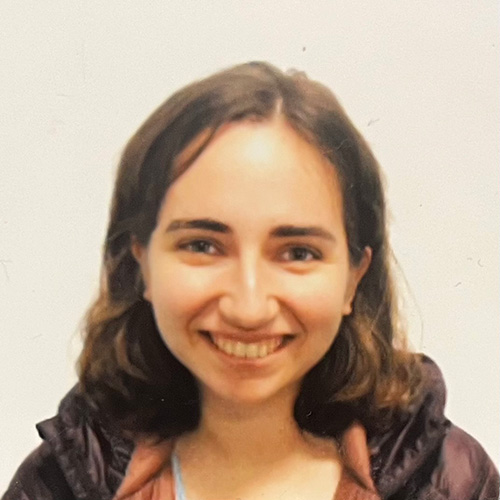
Kal Holder
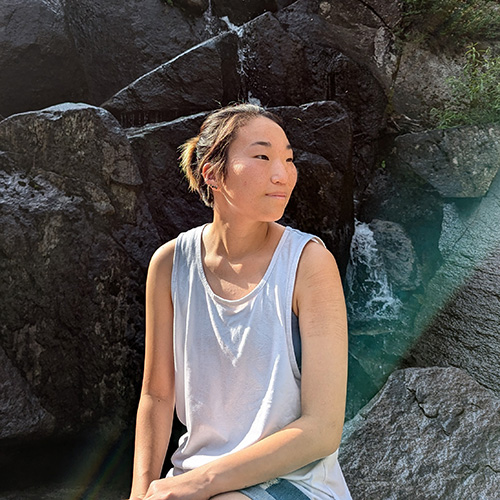
Aditya Kattil

Neha Naladala

David Nelson

Sophia Vina
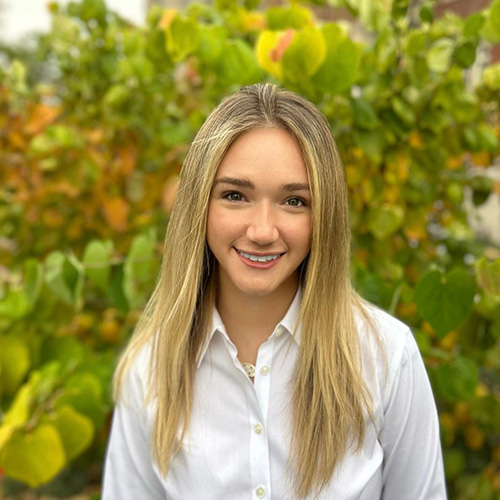
The SPARK Lab exists because of its student members. All our projects are student-driven, with leaders for each practical research project, each line of inquiry, and all our research questions.
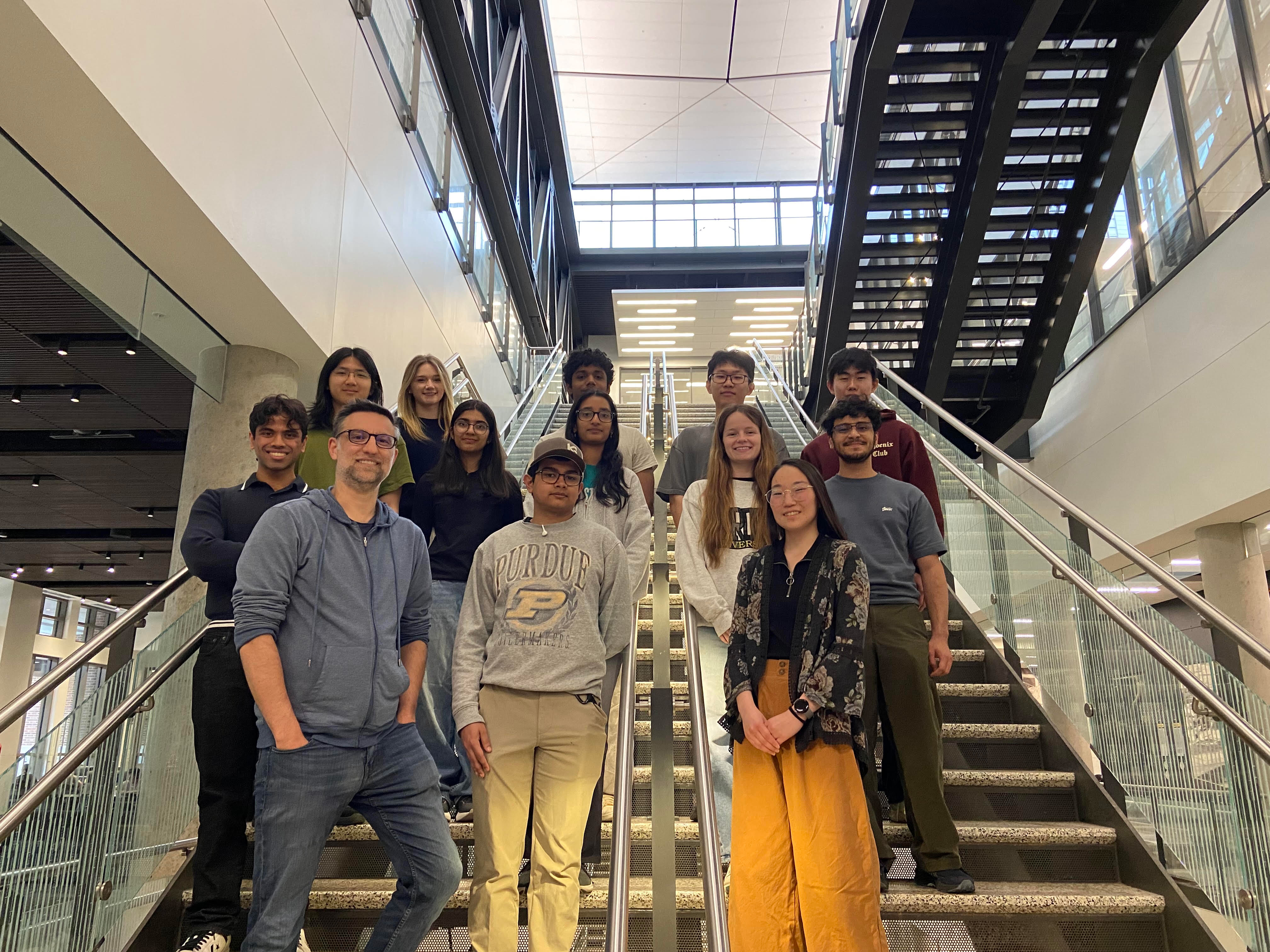
First Row: PI Dr. David Nelson, Saket Sarkar, Associate PI Kal Holder
Second Row: Aditya Kattil, Trisha Thakkar, Neha Naladala, Phoebe Burrell, Hadi Althawab
Top Row: Edward Dong (graduated), Sophia Vina, Anuj Nair, Ethan Wang, Xuanyu Chen
Not pictured: Audrey Biller (graduated) Ethan Chen, Kiki Khosla, Roman Ross
Current Lab Members & Affiliates:
Audrey Biller
Trisha Bimal
Ethan Chen
Xuanyu Chen
Ethan Dong
Pranav Doshi
Kal Holder
Parinita Kadamby
Aditya Kattil
Austin Lee
Burton Lu
Bella Metternich
Pawanjith Sangeera
Alex Nail
Neha Naladala
Yuvraaj Suri
Abhinav Palivela
Aryaman Patel
Deeya Prabhu
Roman Ross
Saket Sarkar
Sophia Vina
HONR399
If you are a John Martinson Honors College student, you can register for HONR399 -Learning at Purdue in the AI Era during the spring semester. The course syllabus can be found here.